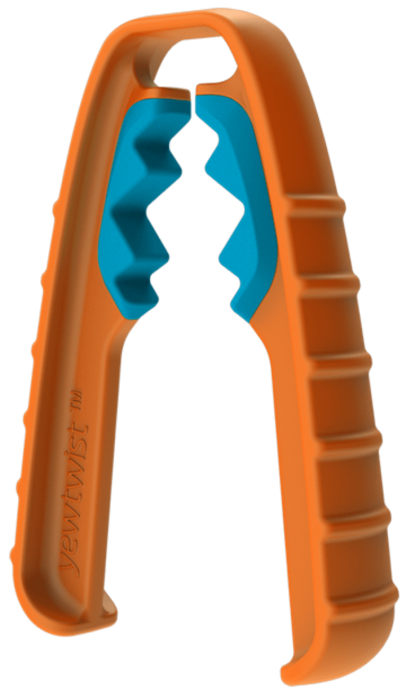

Give your patients the tool to manage connections at home
Added torque gives weaker hands the ability to loosen stuck caps and connections.
9 in 10 home nutrition patients and caregivers report trouble removing caps and connectors
Many struggle with line disconnections due to muscle weakness and dexterity issues.
-
Weaker hands make IV management challenging
Patients often have to wait for nurses or caregivers to disconnect.
-
Costly unplanned visits
Stuck caps could mean a nurse visit or a trip to hospital.
-
Delays in care
Complications with the line can lead to line replacement and hospital visits.
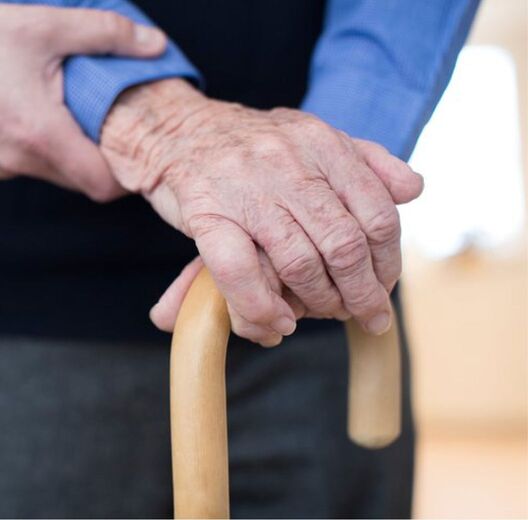
How we support home care teams
More independence and confidence for patients with weaker grip strength.
-
Patients manage their care with independence
Less waiting for caregivers and nurses to complete care.
-
Supports home health quality scores
Reduce unplanned hospital or nurse visits.
-
Perfect for your home care kit
Set up your patients for success from day one.
-
Raise patient satisfaction
Provide your patients with the tools that makes a difference in their daily lives.
Patients change their own caps and connections.
Soft pliable jaws give weaker hands the leverage to loosen tight connections.
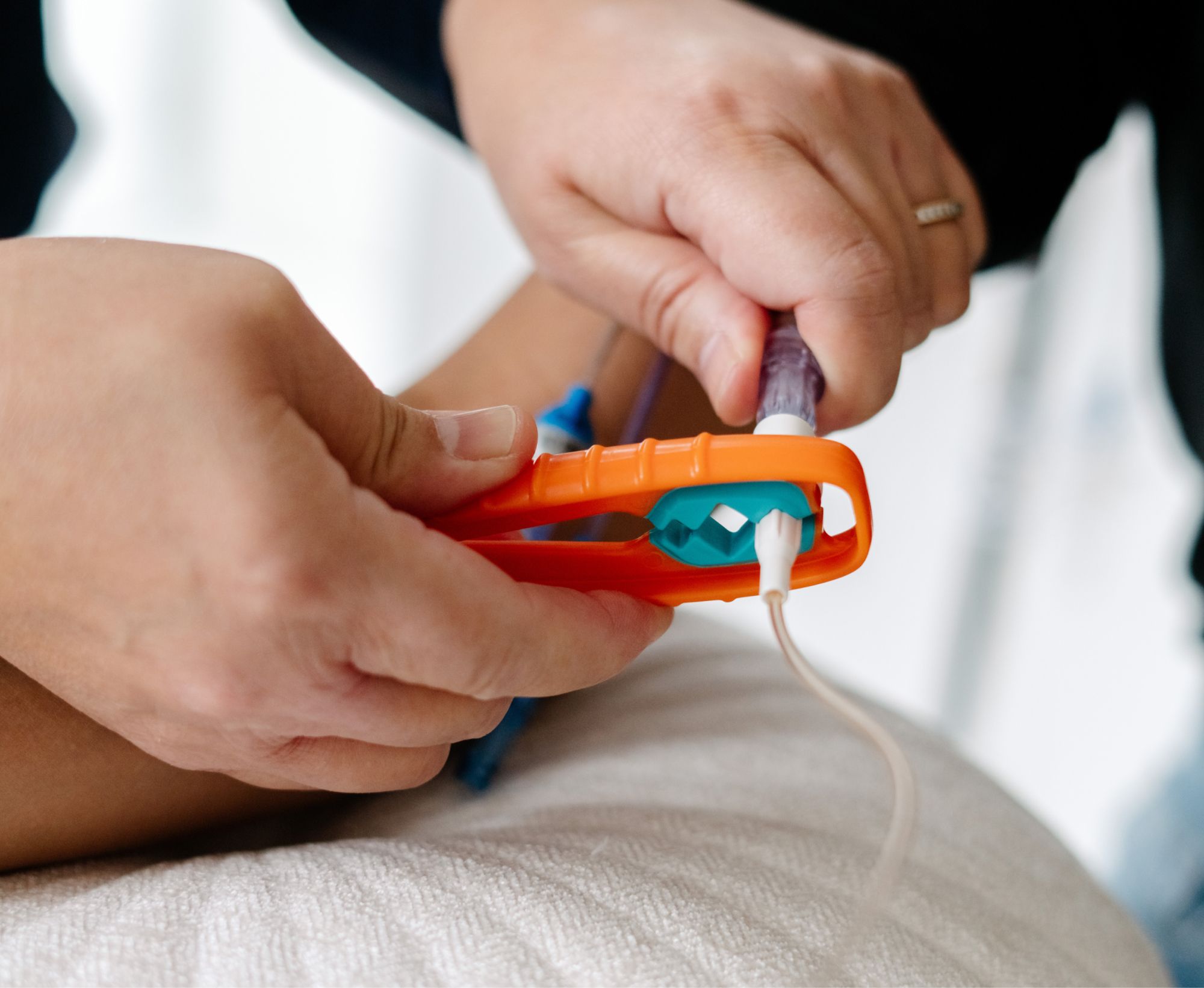
Patients loosen caps themselves
Fits caps and connections at home
- Home infusion and TPN caps
- ENFit and NG tubes
- Dialysis caps
Trusted by
147+
hospitals in 11 countries
“Changing the caps on my central line can be very difficult, especially since the chlorhexidine solution I use is often very sticky. Thank you for your great innovation!”

What patients and families tell us.
Gerry K.
30 years on home parenteral nutrition
"I would highly recommend Yewtwist to anyone with manual dexterity issues"
In a home nutrition survey by the Oley Foundation (2023), 90% of patients and caregivers reported trouble removing needleless connectors from central line hubs.
“My home health nurse is just as obsessed with them as I am! She wishes that all her patients had them. They have helped her get stuck claves off me multiple times now and she is so grateful she doesn’t have to worry about damaging my line with Kelly clamps anymore.”
Frequently asked questions
Which connections does Yewtwist work with at home?
Yewtwist works on Luer lock connections on IV lines, central lines, PICCs, needleless connectors and dialysis catheters, and on ENFit and NG feeding tubes. It has three jaw sizes to fit most connectors.
When should I use Yewtwist?
Connect by hand, then disconnect with Yewtwist every time, not only when a connection sticks. Every disconnection then puts less strain on your hands and wrists.
How often should I replace Yewtwist?
Replace Yewtwist when the jaws show wear or on the schedule in the instructions for use, about every 2 to 3 months.
How do I clean Yewtwist at home?
Follow the validated cleaning guidelines and the instructions for use. Keep your Yewtwist with your own supplies, since one Yewtwist per patient is the highest standard.
Why do Luer connections get stuck?
Luer connections can become tight or stuck for several reasons:
- They were overtightened during setup.
- Medication or formula has dried on the threads.
- TPN residue has built up.
- The cleaning agent was not completely dry when a new connection was attached.
Does Yewtwist work with ENFit connectors?
Yes. Yewtwist’s jaw sizes are designed to grip ENFit enteral connectors as well as traditional Luer lock connections.
I have arthritis, neuropathy, or weak grip. Can I use Yewtwist?
Yes. Yewtwist’s ergonomic handle gives you added leverage, so less grip strength is needed to loosen tight connections. It can help patients with arthritis, neuropathy, or limited hand strength manage their own connections more easily.
What should I do if a connection still won’t come loose?
Stop and contact your home infusion nurse or pharmacy for guidance. Never use pliers or other tools, and never cut the tubing.
How can I get a Yewtwist?
Contact Yewtwist at info@yewtwist.com or (289) 469-0725.